


Spring is one of the most important seasons for food banks. As school meal programs wind down for summer break and families face increased grocery demands, the need for community food support often spikes just as winter donation drives are tapering off. A well-planned spring food bank setup can bridge that gap, but it takes more than just opening the doors. Drawing in new participants, energizing volunteers, and protecting the quality of every donation are what turn a good outreach event into a great one.
Plan Around the Season
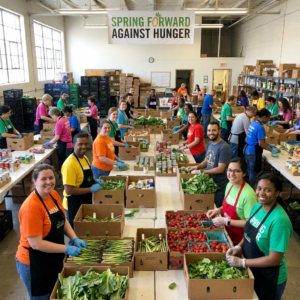 Spring offers a unique opportunity to reset and refresh your food bank’s approach. The weather is warming, people are spending more time outdoors, and community calendars are filling up with festivals, farmers markets, school events, and neighborhood gatherings. Smart food bank organizers tap into that momentum by setting up at high-traffic outdoor locations, partnering with local events, and timing donation drives to coincide with paydays or weekend shopping trips. A visible, welcoming setup with clear signage, colorful tents, and friendly greeters at the entrance makes all the difference in turning passersby into participants.
Boost Community Participation
Bringing in more people starts with making the food bank feel like a community gathering, not just a transaction. Consider hosting family-friendly activities alongside donation collection — think live music, kids’ craft stations, free coffee, or cooking demonstrations featuring shelf-stable ingredients. Partner with local schools, scout troops, churches, and youth sports leagues to organize friendly donation competitions. Social media plays a huge role too. Share volunteer stories, highlight specific items in greatest need, and post real-time updates from your event. When people see their neighbors getting involved, they’re far more likely to show up themselves.
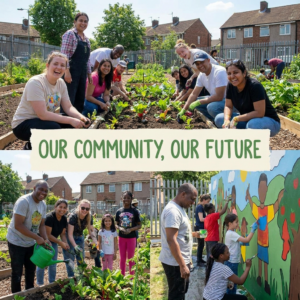
Recruiting volunteers is just as important as recruiting donors. Reach out to local high schools and colleges that require community service hours, connect with corporate volunteer programs, and create clearly defined shifts so people can commit without feeling overwhelmed. A short, well-organized two-hour volunteer slot is far easier to fill than a vague “all-day” request.
Keep Donated Food Safe and Cold
One of the biggest challenges of any spring food drive is temperature control. As outdoor temperatures climb, perishable donations — dairy, fresh produce, meat, eggs, and prepared meals — become vulnerable quickly. Once food crosses out of safe temperature ranges, it can no longer be distributed, which means well-intentioned donations end up in the trash instead of on someone’s table. That’s a heartbreaking outcome no food bank wants.
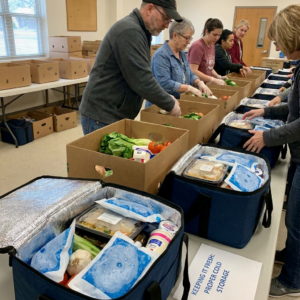 Investing in reliable cold storage is essential. Coolers should be pre-chilled before the event, kept out of direct sunlight, and opened only when needed. To maintain consistent cold temperatures for hours at a time, high-performance reusable ice packs like the Icepaca Ice Pack are an excellent solution. Engineered to keep contents cold for up to 48 hours, they’re leak-proof, non-toxic, and reusable for years — making them both practical and budget-friendly for nonprofit organizations. Unlike bagged ice, they won’t melt into soggy boxes or damage packaging, ensuring every donated item stays safe from collection point to distribution.
Build for the Long Term
A successful spring food bank setup isn’t just about one event — it’s about building lasting community relationships. Thank every donor and volunteer, share the impact of their contributions, and invite them back for summer and fall initiatives. With smart planning, engaged outreach, and the right tools to protect every donation, your food bank can turn spring into a season of real, lasting change.